

Table of Contents
Traditional art sales involved physical paintings, sculptures, and photographs at galleries and art fairs. The ownership of the art that was sold would be transferred through a certificate of authenticity or bill of sale. The system was fairly simple yet limited where the artist’s work could only be accessed at physical locations.
These days, a new but less introduced system has set up a distinct throne of its own, co-existing with the traditional art market. Digital art sales with NFTs have taken centre stage to connect artists directly with collectors.
In this blog, we’ll give you a breakdown of how blockchain is transforming the digital art market.
Digital Certificate of Ownership: A One-of-a-Kind Trading Card
A Non-Fungible Token or NFT is a digital certificate of ownership that lives on a secure digital ledger called the blockchain. This system helps track ownership transparently wherein it ensures verifiable ownership and scarcity for digital creations, unlike regular digital files that could be easily copied.
This revolutionary system conveys benefits for both artists and collectors:
| Artists Empowered | Varied Possibilities for Collectors |
| Artists can connect directly with a global audience to share and sell their digital art creations. | Collectors can directly connect with the artists they admire and acquire their NFT creations. |
| Ownership history can be tracked through NFTs, prevent forgery, and protect the value of the artist’s work. | The values of NFTs involve potential investment as their value can fluctuate, like any other collectible. |
| The artist can be granted a percentage of resale profits or get limited-edition releases, opening new revenue streams. | Collectors can own a piece of history in the digital art world while supporting innovative creators. |
NFT is a world buzzing with creativity. For instance, a record-breaking sale of a digital collage took place for artist Beeple where his artwork was sold for $69.3 million at the British Auction House. While NFTs are primarily used for digital art, they can also be used to authenticate and trade other valuable digital assets, such as trading card games and limited-edition sneakers.
The art market is seeing a core shift through NFT, paving the way for a global, democratic, and artistic-centric ecosystem. One can expect to see more innovative use cases emerge, transforming the way one experiences and interacts with art.
The Remodelled System for Artists
To summarise this transformation of the art market, we identify the following key aspects:
- A more direct, transparent, and secure relationship between artists and collectors is established by minimizing the role of intermediaries.
- The royalties on the sale are no longer limited. Artists can gain an ongoing stream of income for their work.
- NFTs allow for smaller units of the artwork to be sold, giving fractional ownership to expensive digital art.
- NFT provides its own marketplace where artists can display and sell their work.
- Not just static artwork but interactive experiences and digital wearables also gain a huge space in the NFT marketplace. This helps several artists establish innovative forms of expressing their creativity.
At present, blockchain is transforming the digital art market while co-existing with its former traditional marketplace.
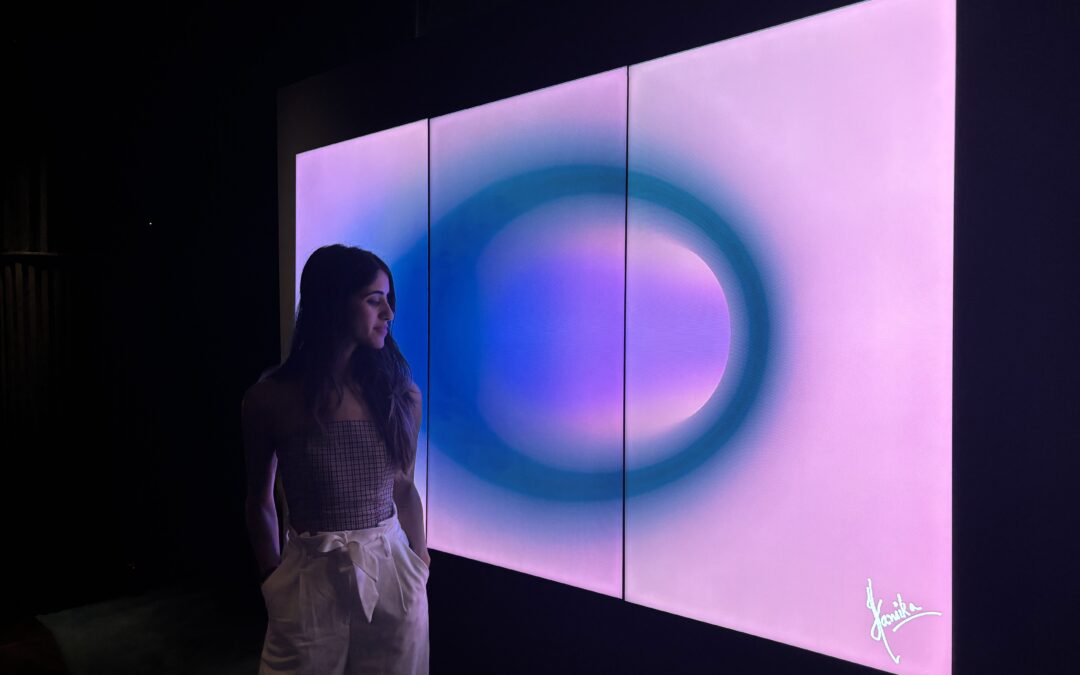
Featured image courtesy: Refik Anadol, preview rendering of light projections WDCH Dreams, 2018, Image credit: Refik Anadol.

0 Comments