
I have been a digital artist since I was 12. My first foray into this world began with a website that early 2000s art kids know all too well – DeviantART.
The year was 2004. We had just discovered MSN Messenger. All of us would run home from school everyday and plonk ourselves in front of our chunky desktop computers, still in our uniforms. Logging into MSN Messenger was the sweetest dopamine release a kid could ask for. The excitement of getting a new message, the thrill of encountering a new emoticon, the way your heartbeat quickened when you saw your crush online. It was all so innocent back then. A safe way to communicate, flirt and explore the world beyond the screen. I would talk to people on MSN that I have never spoken to in school. The chatroom gave us the courage to approach each other in real life. It made that first contact with the opposite gender a little easier and a little less awkward. And for me, a visual person – I would pride myself on my emoticon gallery. I would meticulously save and document my emoticons from chats with various people — and in the end, my gallery was one to boast.
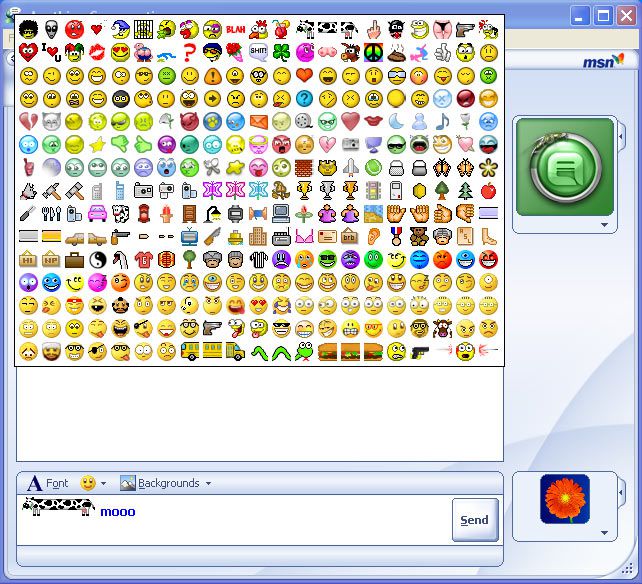
MSN Messenger Emoticons, Image Courtesy: emojitimeline.com
We were really entering a new world — one with which our parents had no experience. The sound of the dial-up connection booting to life. I am sure it triggers something in all of us from that era.
At school, we were going crazy trading Pokemon cards. I was particularly obsessed. One of the most vivid and beautiful memories I have to this day is playing Pokemon FireRed on my Nintendo GBA. The gameplay, the sound design, the graphics, the story — it’s a masterpiece to this day and fills me with happiness like nothing else.
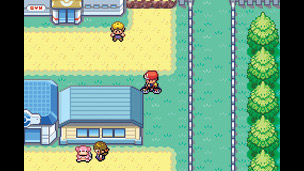
Pokemon FireRed. Image Courtesy: Pokemon.com
A browser game called Neopets was also taking us by storm. Neopets was like a more intense, fleshed-out version of Tamagotchi. The world-building was immaculate. It was the kind of game that could really suck you in for hours. We would login and spend all day in these digital worlds, discussing strategies on MSN Messenger. Then discussed strategies in school the next day, and sit at the back of the classroom drawing characters instead of listening to the teachers.
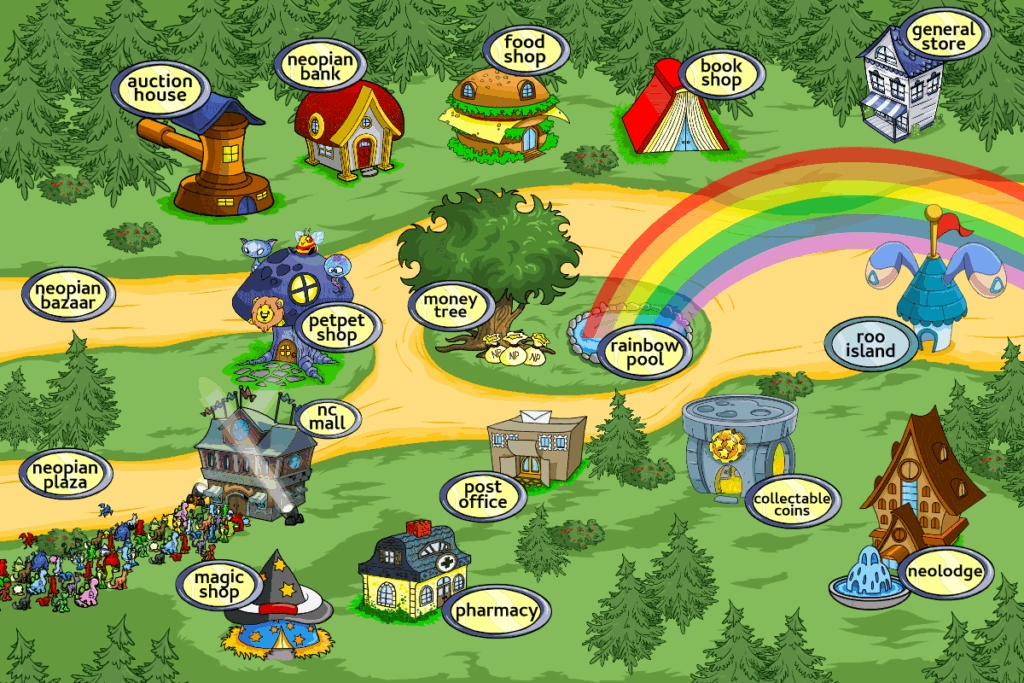
Neopets – Neopia Central. Image Courtesy: bookofages.jellyneo.net
The reason I bring up all the franchises is because this was the start of a very impactful digital culture for us. A group of us kids started getting seriously obsessed. The images we would see online were so vivid and creatively stimulating.
We began creating fansites. We really scoured the internet to source content for the sites. And that’s how we discovered DeviantART.
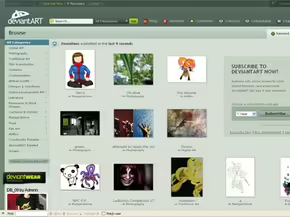
DeviantART. Image Courtesy: computer.howstuffworks.com
DeviantART, or DA for short — hosted some of the most talented artists across the digital subcultures. The raw talent on this site, and the fact that a very tiny fraction of the world knew who they were or understood their work — was pretty damn mind blowing. The community on DA essentially taught me how to be a digital artist. I learned about ‘Oekaki’ – online drawing boards. I learned that you need a Wacom tablet to actually draw online. And last but not least — I learned about a little program called Photoshop 7.
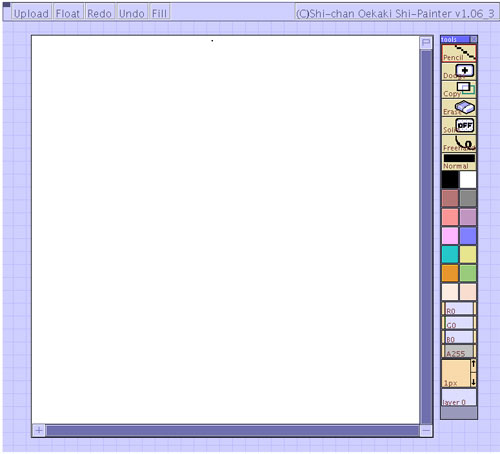
What is Oekaki?, Image Courtesy: brushwarriors.com
By this point, my obsession with the digital art world had consumed me. My friends who initially shared my passions moved on to other things. But I remained. And in a way, I was alone. The people who I now shared my deepest interests with were all American teenagers who lived miles away. People I would never end up meeting. I still liked my friends at school and I was decently popular. But no one really understood the things that now consumed me. And that feeling still has not gone away, to this day.
Anyway, my family was surprisingly really supportive. My mother — who once banned me from using any electronic devices due to my growing obsession — now let me stay up late at night to draw online. My father bought me a Wacom tablet. My grandparents somehow managed to get me a pirated version of Photoshop 7 while they were on vacation in London. (They walked for ages just to find a tiny computer store that dabbled in such shady dealings).
I really could not have done any of it without them. Thanks to them, I was able to really immerse myself in my craft. I was a master at Photoshop by the tender age of 14. I had started taking commissions for artworks and I was part of a thriving community of digital artists across the world.
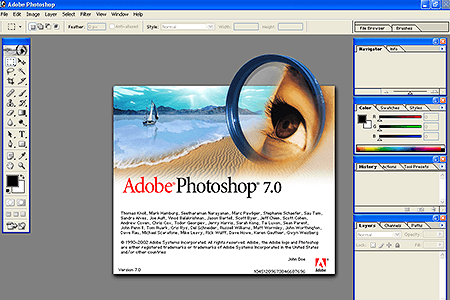
Photoshop 7, 2002. Image Courtesy: webdesignmuseum.org
All these experiences made me the artist I am today. And I know for a fact that there are so many like me out there. DA evolved into Tumblr and Instagram and many other things. I know that there are kids now who scroll through IG and TikTok and see things that only a fraction of them would understand and be inspired by. They are all part of these beautiful little subcultures, and the things that they create and dream of are important. These things have a direct impact on our society and our world as a whole. These things foster connection and understanding between people who have never met and possibly never will meet.
That is why the ‘fine art world’ does not make sense to me sometimes. And I know for a fact that it does not make sense to so many of us digital artists. Which I think is ironic – because we are the artists who are a direct reflection of these digital times. A group of people who were raised online.
We walk into galleries, looking at paintings — and of course, we see amazing things that are inspiring. But the majority of stuff at art fairs and galleries does not really reflect the myriad of things that are happening online. It feels like these are things selected by the elite — things that only a few understand. Even if these works have important political and social messaging, they are presented in a way that does not have much meaning for so many of us who live in another world and regularly consume digital content.
It does not make sense to me because digital artists from these intricate online ecosystems are completely excluded, and their work is a representation of what is really going on in today’s world. Digital art on its own has evolved and gone through so many iterations in such a short period of time. We lack the proper documentation and even basic acknowledgement for these practices in the art world. Pixel art, ASCII art, CGI, Chrometype, even furry art — they’re all so full of meaning. They are a documentation of time and culture. I want to see these artists given their due importance in the art world.
Digital art is grueling work. We sit in front of the screen all day, sacrificing our eyes and our spines. We meticulously model objects in 3D, transform lines of code into complex particle systems, prompt and render till our eyes bleed and our GPUs burn. How are we any different from Michelangelo painting the Sistine Chapel?
I will end with a little story.
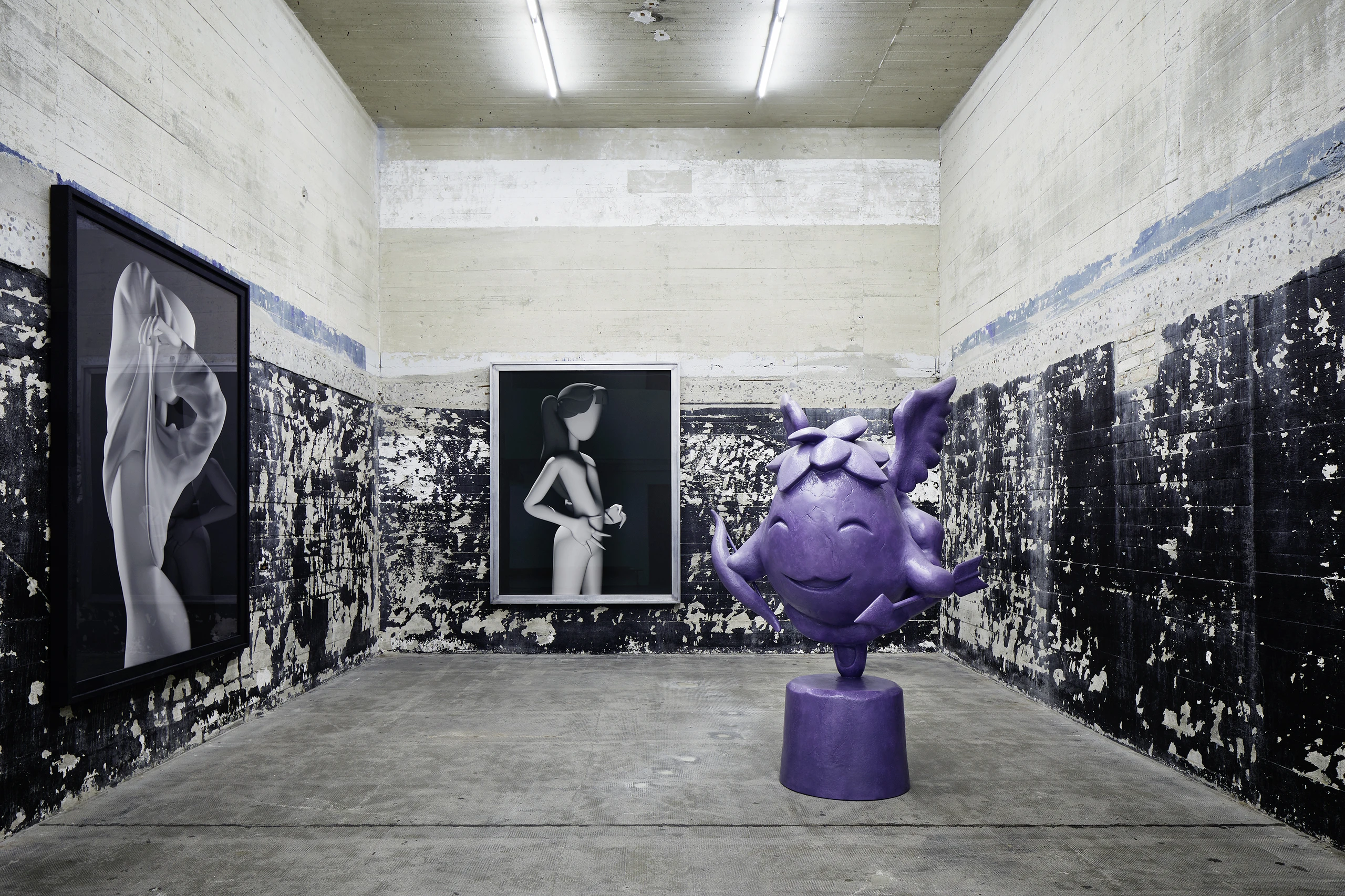
It was a sunny day in Berlin. I walked into the Boros Collection, and stumbled upon a giant sculpture of a Neopet — by the artist Bunny Rogers. I felt like I had seen something which I never imagined I would see in this lifetime. A piece of my childhood, my subculture — presented as fine art? Like it was some precious Italian marble statue? I don’t know, maybe the tides have started to turn. Seeing a Neopet of all things, in one of Berlin’s most iconic private collections — it gave me a little sense of joy and importance. I felt seen. I hope every person who was raised online is able to feel that one day.
Featured Image : – Installation view, Sammlung Boros #4, Boros Collection, Berlin, 2022, NOSHE. Image Courtsey: societe.

0 Comments